What to know about Haringey Council waste rules
Posted on 25/06/2026
If you live, work, or manage property in Haringey, waste sounds simple right up until it isn't. One missed bin day, one wrong item in the recycling, or one bulky load left outside at the wrong time can quickly turn into a hassle. That is why understanding What to know about Haringey Council waste rules matters more than most people expect. It helps you avoid complaints, keep shared spaces tidy, and make better choices about recycling, collection timing, and disposal. In practical terms, it also saves you from the classic London problem: rubbish building up by the front door while everyone is "just waiting until next week".
In this guide, we'll break down the basics in plain English, explain where people usually trip up, and show how residents, landlords, and businesses can stay on the right side of local expectations without overcomplicating things.
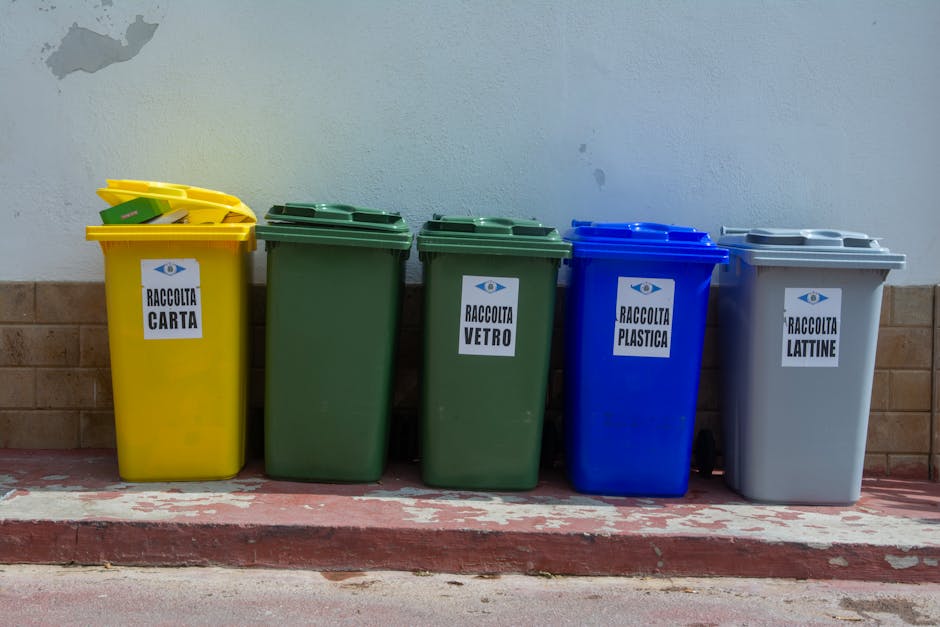
Why What to know about Haringey Council waste rules Matters
Waste rules are not just about neat bins on a Tuesday morning. They shape how streets look, how smells spread in warm weather, how pests are kept at bay, and how smoothly homes and businesses operate. In a busy borough like Haringey, where terraced streets, flats above shops, and shared housing all sit side by side, small waste mistakes can snowball fast.
Think about it this way: one overflowing bin outside a block of flats can become a neighbour dispute by Friday. A builder leaving rubble where it shouldn't be can make access difficult for everyone. A business putting out the wrong waste at the wrong time can create avoidable frustration for staff and customers. The rules exist to keep public spaces useable, reduce contamination in recycling, and make collection services run properly. Nothing glamorous, but very necessary.
There's also a cost angle. The more cleanly you sort waste, the better your chance of using the correct collection method first time. That can mean fewer repeat trips, less time wasted, and fewer problems with enforcement or rejected loads. If you need support with larger clearances, a general waste clearance service in Haringey can be a practical fallback when household collections are not enough.
How What to know about Haringey Council waste rules Works
At a basic level, waste rules in Haringey follow a familiar London pattern: different waste streams need different handling, and timing matters. General household rubbish, mixed recycling, garden waste, bulky items, electrical goods, and commercial waste should not all be treated the same way. That sounds obvious, but in the real world people often mix categories because it is quicker in the moment. Then the problem begins.
The practical side usually comes down to five things:
- What you are throwing away. Food, plastics, cardboard, furniture, electrical items, green waste, and builders' debris all sit in different buckets, figuratively and sometimes literally.
- How it is stored. Waste should be kept contained, secure, and out of the way of pedestrians and neighbours.
- When it is placed out. Collections are time-sensitive. Put waste out too early and it can blow about or attract attention. Too late, and you may miss the pickup.
- Who is responsible. In a home, the resident usually handles domestic waste. In a business or managed building, responsibility can be shared between occupiers, landlords, managing agents, and contractors.
- Where the waste goes next. Reuse, recycling, donation, licensed collection, and proper disposal are the preferred routes, with landfill as the least attractive fallback.
For awkward items like mattresses, wardrobes, white goods, or loft clutter, the council route may not always be the easiest route. That is where specialist help becomes useful. If the job is a full property tidy-up, a house clearance in Haringey or a loft clearance service can save a lot of back-and-forth.
One small but important point: recycling rules are only helpful if the material is actually clean enough to recycle. Pizza grease on cardboard, food residue in containers, or mixed bags in recycling can turn a good intention into a rejected load. It happens all the time, to be fair.
Key Benefits and Practical Advantages
Following the right waste rules brings more than compliance. It makes day-to-day life easier. That is the quiet benefit people notice after the first few weeks of getting it right.
- Cleaner communal spaces: shared hallways, bin stores, and front gardens stay more pleasant.
- Fewer collection problems: correctly sorted waste is less likely to be left behind.
- Better recycling outcomes: cleaner materials are easier to process.
- Less nuisance: fewer smells, less fly-tipping risk, and fewer pests.
- Reduced conflict: especially useful in flats, HMOs, and managed blocks where bin use is shared.
- More efficient clear-outs: when you know the rules, it is easier to plan a one-off tidy, move, or refurbishment.
There is also a psychological advantage. A space feels lighter when rubbish isn't lurking in corners. It's a small thing, but you notice it. A clear hallway, a tidy back yard, a properly sorted bin area-these details make a property feel looked after.
For businesses, the benefits are even more practical. Office floors, shops, and hospitality venues need waste handling that does not disrupt trading. If you are dealing with desks, packaging, or end-of-line stock, a dedicated commercial waste removal service can be a cleaner fit than trying to squeeze everything into regular domestic-style disposal.
Who This Is For and When It Makes Sense
This topic matters to more people than you might think. If you live in a flat, manage a rental, run a cafe, renovate a home, or are trying to clear a family property, you are dealing with waste rules whether you mean to or not.
It is especially relevant if you are:
- Homeowners clearing bulky waste, garden cuttings, or renovation debris
- Renters who need to avoid shared-bin disputes and excess rubbish build-up
- Landlords and letting agents managing move-outs or end-of-tenancy clearances
- Businesses producing regular office, retail, or hospitality waste
- Tradespeople handling builders' waste, plasterboard, timber offcuts, or mixed rubble
- Families dealing with lofts, garages, or inherited items
There are also local lifestyle moments where waste rules quietly matter. Hosting a gathering, for example, can leave behind more glass, packaging, and food waste than you expected. If you are planning something bigger, even a casual weekend event, it helps to know the practical side of local disposal. A useful read for that context is where to throw a party in Haringey, because post-party cleanup is never just an afterthought.
And for people moving home or preparing a listing, waste presentation matters. First impressions count. A tidy entrance and clear outdoor areas make a property feel ready, not half-finished. That is why articles like listing and selling homes in Haringey and investing in Haringey properties are more connected to waste than they might first appear.
Step-by-Step Guidance
If you want the cleanest, least stressful way to handle waste in Haringey, use a simple process. Nothing fancy. Just the sort of practical sequence that stops things going sideways at the last minute.
- Identify the waste type. Separate general rubbish from recycling, food waste, green waste, electrical items, and heavy materials.
- Check what can be reused or donated. Furniture and usable household items often have a second life. You do not need to landfill a decent chair just because it is inconvenient.
- Make sure anything hazardous is treated carefully. Batteries, chemicals, sharp objects, and certain electrical items need extra thought.
- Decide whether council collection or specialist removal is the better route. Small, regular waste can often follow standard collection. Bigger, heavier, or time-sensitive loads may need a dedicated service.
- Bag, bundle, or box items properly. Loose waste spreads quickly, especially in windy weather or shared spaces.
- Leave items out at the right time and in the right place. Keep footpaths clear. Don't block entrances.
- Track what has been removed. This is especially useful for landlords, agents, and businesses that need records.
A realistic example: you are clearing a spare room after years of "I'll deal with it later." There's a broken bedside table, old paperwork, a monitor, a bag of mixed rubbish, and two boxes of charity-worthy books. The best approach is to split it into categories first. Furniture removal for the table, recycling or data-safe disposal for the monitor, general waste for the mixed bag, and donation or resale for the books. That one hour of sorting saves a lot of chaos later.
If the job expands into a bigger project, services like furniture disposal in Haringey, appliance disposal, or garden waste removal may be more efficient than trying to improvise.
Expert Tips for Better Results
Here's the bit that saves time and frustration. Most waste problems are not caused by huge mistakes. They come from small, preventable ones.
- Keep recycling clean and dry. A little contamination can spoil a whole bag or bin.
- Flatten cardboard before collection. It creates space and reduces overflow.
- Do not mix builders' waste with household rubbish. It is a common mistake and usually a messy one.
- Take photos before and after a clearance. Handy for landlords, agents, and business records.
- Use sturdy bags and boxes. Split bags are how debris ends up across the pavement.
- Plan clear-outs for daylight hours where possible. It is simply easier to see what you are doing. Also less faff.
- Think ahead about access. Narrow stairs, permit issues, and shared entrances can affect how a removal should be handled.
One good habit is to create a "maybe" pile before disposal. It sounds soft, but it works. If something might be reused, sold, or repaired, keep it separate for 24 hours. People are often too quick to bin useful items when they are tired. Truth be told, that second look is where the saving happens.
If you are deciding how to deal with a mixed load, it can help to compare options first. For small loads, a local pickup route may be enough. For bigger or more awkward loads, a proper waste disposal service can be less stressful and more predictable.

Common Mistakes to Avoid
Most waste trouble starts with good intentions and rushed decisions. That is the awkward truth.
- Putting out rubbish too early: it can attract clutter, birds, or complaints.
- Using the wrong bin for the wrong waste: especially mixed recycling and food-contaminated materials.
- Leaving bulky items in common areas: hallways are not storage rooms.
- Ignoring electrical and hazardous waste rules: these items need special handling.
- Dumping builders' rubble with general refuse: this causes problems fast.
- Forgetting who is responsible in shared buildings: in flats and HMOs, assumptions cause arguments.
- Hiring unlicensed help: if waste is collected by the wrong person, it can come back to bite you later.
A smaller but common oversight is timing. People assume any day will do because "the bin men will know what to do." Not always. Collection schedules, access routes, and building rules all matter. Missing one detail can mean waste sits there for another full cycle. No one wants that smell in July.
Tools, Resources and Recommendations
You do not need a specialist toolkit to follow Haringey waste rules, but a few basics help a lot.
- Strong refuse sacks: for general household waste and lightweight clear-outs
- Sorting boxes or crates: useful for papers, small electrics, and reusable items
- Labels or marker pens: helpful in shared homes and business premises
- Gloves and simple protective gear: sensible for lofts, gardens, and dusty spaces
- Phone photos: good for records, quotes, and before/after tracking
- Access notes: stairs, parking constraints, and entry instructions matter more than people think
For bigger jobs, a professional clearance option can be easier than DIY. If you are dealing with a loft full of mixed items, loft clearance is often more efficient than trying to haul everything down yourself. Similarly, if you are handling an office move, office clearance in Haringey keeps desks, packaging, and old equipment moving out in a more controlled way.
It also helps to understand how pricing is usually approached. Weight, volume, access, labour, and item type can all affect the quote. If you are comparing options, the page on pricing and quotes is worth a look before you commit to anything.
Law, Compliance, Standards, or Best Practice
Waste handling in the UK sits within a broader legal and environmental framework, but for most residents the practical takeaway is straightforward: don't dump waste illegally, don't hand it to anyone who can't show proper compliance, and don't assume "someone else will deal with it" if it ends up in the wrong place.
For households, the main expectations are usually about using the right collection channels, separating recycling where required, and keeping waste from causing nuisance. For businesses and landlords, the duty of care is more serious. You are expected to ensure waste is stored, transferred, and removed responsibly. That means checking that contractors are legitimate and that waste is not passed to fly-tippers.
A sensible rule of thumb: if the load is larger, riskier, or more complex than normal bin-day waste, use a provider that can explain how it handles compliance. A good starting point is understanding waste carrier licence and compliance expectations. That is the sort of detail people often skip, then regret later.
Best practice also includes:
- keeping records for commercial disposals
- separating recyclable materials where practical
- using suitable containers for sharps, liquids, and electrical items
- preventing waste from blocking fire exits or pavements
- choosing collection partners with proper insurance and safety processes
If you are dealing with trades waste, it can be worth learning the difference between general clearances and construction-related removal. The guidance around builders' waste disposal is especially relevant when plaster, timber, tiles, or rubble are involved.
Options, Methods, or Comparison Table
There is more than one way to handle waste in Haringey, and the right option depends on volume, item type, urgency, and access. Here is a simple comparison to help you decide.
| Method | Best for | Strengths | Limitations |
|---|---|---|---|
| Regular council collection | Routine household waste and recycling | Simple, familiar, low effort | Not ideal for bulky, hazardous, or very large loads |
| DIY drop-off or self-managed disposal | Smaller volumes when you have time and transport | Direct control, flexible timing | Requires lifting, planning, and the right vehicle |
| Specialist waste removal | Bulky, mixed, or time-sensitive clear-outs | Fast, convenient, less manual work | Usually costs more than basic bin collection |
| Reuse, donation, or resale | Usable furniture, appliances, books, and household items | Best environmental outcome, may recover value | Needs time, condition checks, and collection coordination |
The table is simple on purpose. In real life, people often use a mix of methods. A loft clearance might involve resale for some items, recycling for others, and paid removal for the heavy remainder. That is normal. It does not have to be all or nothing.
Case Study or Real-World Example
Imagine a family in Haringey getting ready to move out of a three-bedroom house. The property has a loft full of old suitcases, broken lamps, seasonal decorations, and a few boxes that have been ignored for years. The garden has cuttings from a weekend tidy-up, and the garage has one stubborn old fridge that nobody wants to touch.
At first, the family thinks they can just deal with it in one go. But that approach turns into a long Saturday, a pile of mixed bags, and a car that is suddenly too small for the job. The smarter route is to split the work:
- sort reusable items first
- bundle garden waste separately
- identify the fridge as a specialist appliance item
- clear the loft in sections so the stairs stay safe
- book a removal solution for the items that are too heavy, awkward, or time-consuming
That kind of practical split is exactly why people often look for support like rubbish collection in Haringey or a broader waste disposal service. It is not about being unable to do the job yourself. It is about doing it without losing the entire weekend.
Another common scenario is a business office refresh. Desks, chairs, packaging, and outdated IT equipment all need different handling. A focused solution such as office clearance can reduce disruption and get the space usable again much faster than trying to manage waste piecemeal.
Practical Checklist
Use this checklist before setting waste out or arranging a collection:
- Have I sorted general waste, recycling, food waste, and special items separately?
- Are any items reusable, repairable, or suitable for donation?
- Do I know which items need specialist handling, like appliances or hazardous materials?
- Is everything bagged, boxed, or bundled securely?
- Will the waste be placed where it does not block paths, entrances, or shared access?
- Do I know the right collection day or pickup arrangement?
- If this is a business or managed property, is the responsible person clear?
- Have I checked whether the load is too large for normal bins?
- Do I know who is removing the waste and whether they are properly compliant?
- Have I taken photos or notes if I need a record?
A simple checklist like this avoids most problems before they start. And honestly, it beats standing in the rain wondering why the bin area has turned into a minor disaster zone.
Get a free quote today and see how much you can save.
Conclusion
The main thing to know about Haringey Council waste rules is that they are really about keeping everyday life workable. Sort waste properly, keep collections tidy, treat bulky and specialist items with extra care, and think about compliance before disposal becomes a problem. Once you get the rhythm of it, the process is much less stressful than it first seems.
Whether you are clearing a flat, managing a house move, tidying a loft, or running a business, the smartest approach is usually the same: separate early, plan properly, and use the right disposal route for the job. A little organisation goes a long way. And on a damp London evening, with the bins closed and the pavement clear, that feels pretty good.